
Dropside and Open-Bed Load Planning in Scotland
How to describe awkward flatbed and dropside loads across Scotland so vehicle choice, loading and access can be checked before hire.
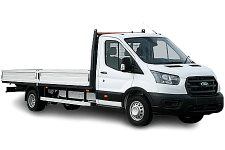
Pallets and merchant materials
For pallets, state the count, size, approximate weight, stacking limits and whether there is forklift access at both ends.
Builders' merchant and trade-supply movements in Glasgow City, Edinburgh, Aberdeen City and Dundee City should also include waiting limits, delivery windows and whether the vehicle can stand close to the drop point.
Timber, scaffold and steel
Long loads need length, bundle count, loading side, overhang considerations and restraint expectations before a 3.5 tonne or 7.5 tonne option is discussed.
Scaffold tubes, boards, steel sections and timber packs around Scotland often need more planning than boxed freight because the loading method affects both safety and vehicle choice.
Machinery and plant tools
For machinery, explain dimensions, weight, lifting points, whether the item rolls, and whether ramps, forklift handling or crane loading will be used.
If a job runs between Glasgow and nearby smaller places, access at both ends matters as much as the machine weight because narrow entrances can rule out the larger flatbed.
Landscaping and site supplies
Aggregate bags, fencing, turf, paving, boards and site consumables can be awkward because they combine weight, loose material risk and unloading constraints.
The safest call is to provide the full order description, delivery surface, unloading equipment and whether the load needs side access, top access or a tail-lift alternative.
Before you call
Use this dropside and open-bed load planning guide as a practical filter before you call. Write down the route, hire date, load size, approximate weight, loading method and delivery or collection address.
Those details matter more than a broad label such as flatbed truck hire, especially when the truck has to fit a specific site, driver and trade job.
Vehicle and route checks
If the job changes, compare the guide topic with the wider flatbed truck hire service. A small flatbed enquiry may need a 7.5 tonne dropside, long-bed flatbed, tail-lift vehicle or specialist loading option.
For delivery and collection, give the full address plus parking, loading bay, timed access, height, gate, forklift and site-traffic restrictions so availability can be checked against the real route.